


 Learn why manufacturers are turning to “hands On” troubleshooting simulation testing prior to hire.
Hands-On assessments for manufacturing & skilled trades
OptiTest puts candidates and employees on a mechanical or electrical troubleshooting simulator and shows you, in under two hours, who has the mechanical aptitude or electrical competencies to perform on the job.
Some of our customers


$5,000 to $12,000 a year
The average productivity gain for each employee who passes our tests.
Under 2 hours
to identify the candidates and employees with high potential for technical performance.
Since 2007
testing production and maintenance staff for manufacturers.
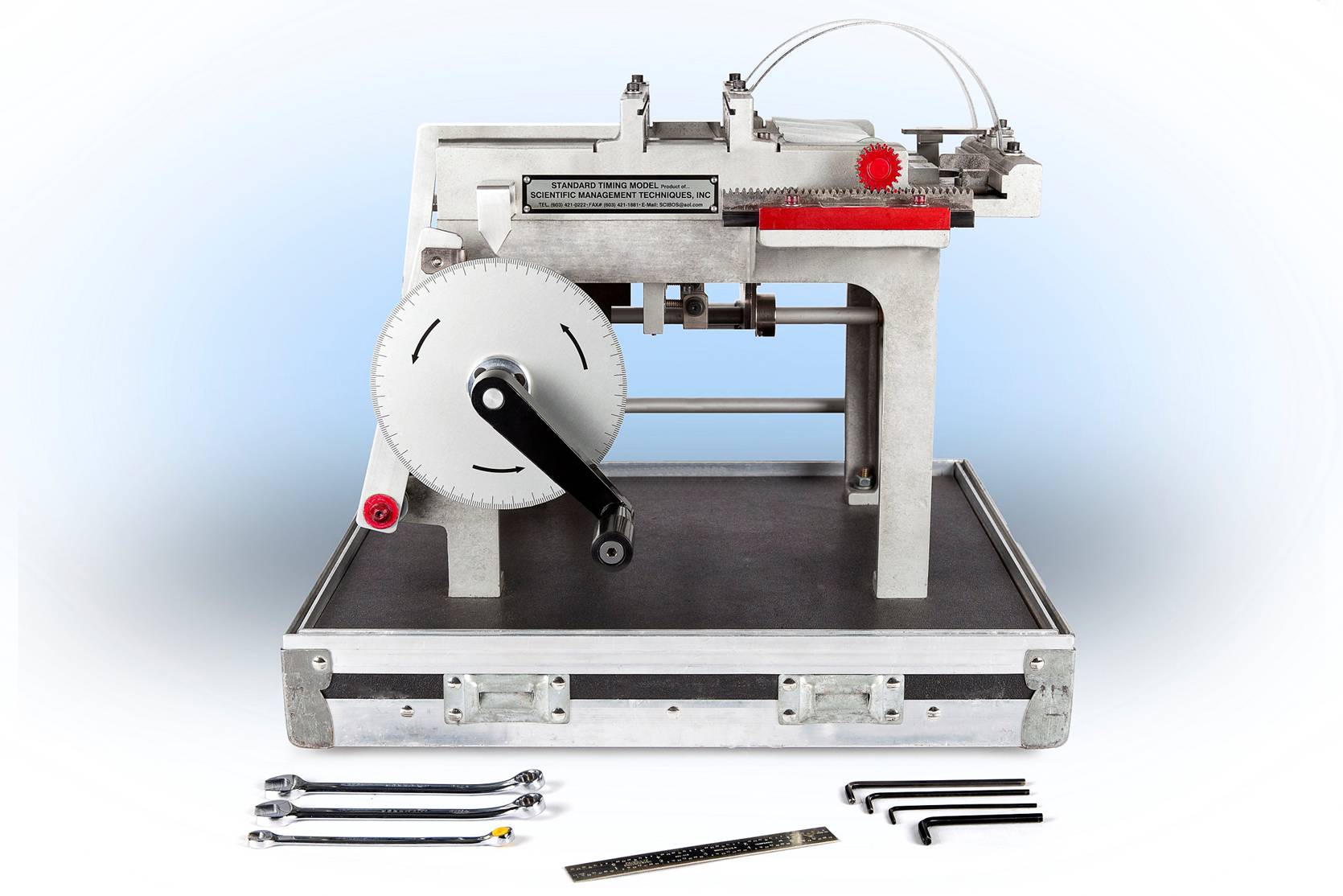
Assessments are administered on real manufacturing simulators
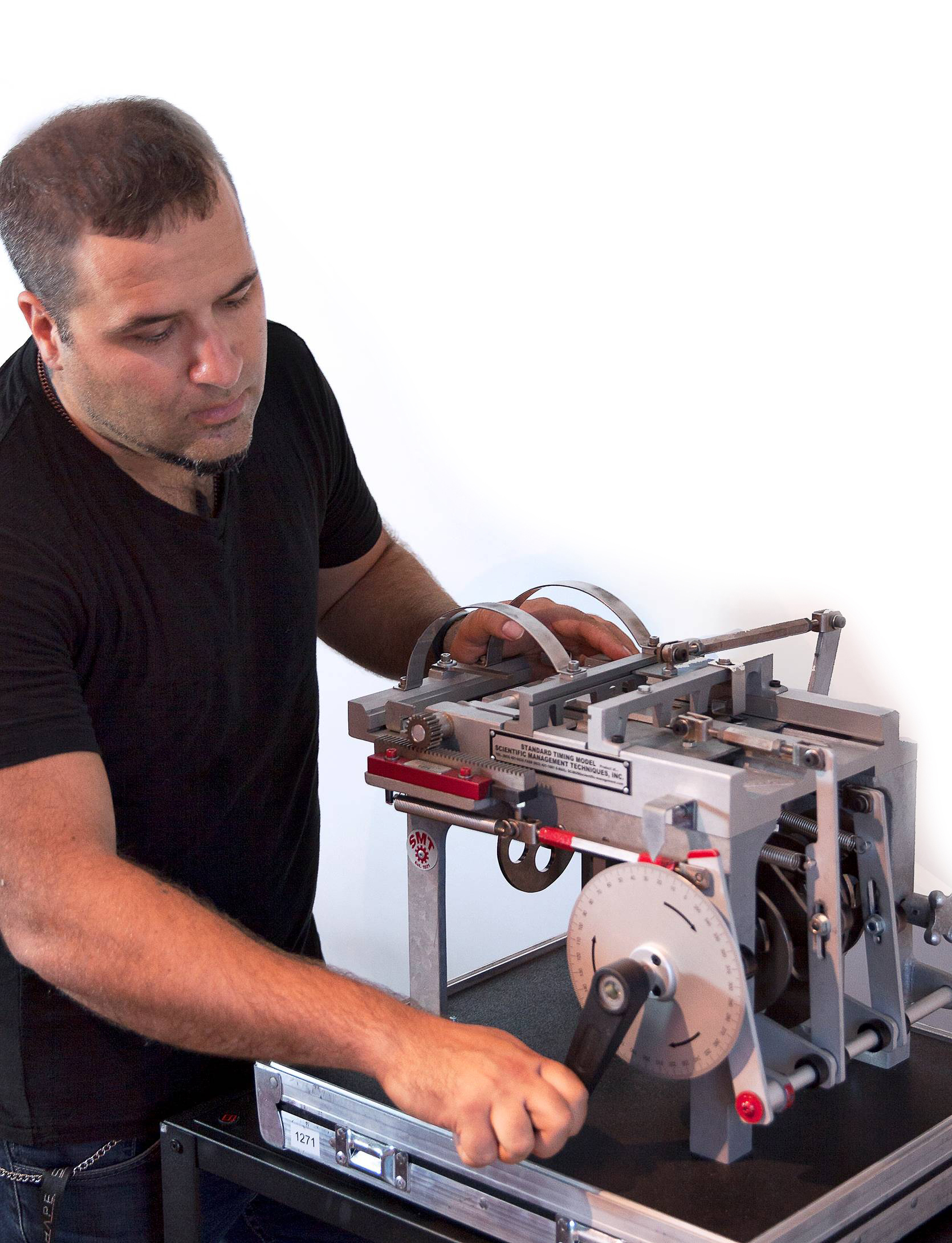
Every test is standardized and timed. A certified testing administrator creates malfunctions in the simulator and the candidate has to resolve them in the most logical way, in the least time.
Mechanical aptitude tests
Measures mechanical, technical and troubleshooting potential, at several levels of difficulty for operators and mechanics.
For: machine operators and adjusters, set-up and service technicians, maintenance mechanics, millwrights, apprentices and electro-mechanical technicians.

Electrical troubleshooting tests
Reproduces the functions of current industrial control panels and PLCs to measure the level of job expertise and identify technical development needs.
For: electricians, electrical and electromechanical engineers, and instrumentation, control and automation systems technicians.
We come to your plant, on your schedule
- Book a free online demo. A presentation of about 30 minutes for your human resources, production and maintenance leaders.
- We bring the simulators to you. Our testing administrators travel to your plant, or candidates can be assessed at our Toronto-Etobicoke office.
- Candidates troubleshoot real malfunctions. Standardized, timed tests matched to the role.
- You receive a detailed report. With recommendations for selecting the best technical candidates.
“Of the 33 hired operators who had successfully completed your test, only two are no longer employed by Aspamill.”
Jean Rodrigue, Aspamill
Read more client results
Watch the one-minute overview
Skilled Trades Pre-employment Testing
Hiring for skilled trades and manufacturing roles is most effective when resumes and interviews are supported by objective testing. At OptiTest, we help employers strengthen the hiring process with skilled trades and manufacturing pre-employment testing designed for industrial environments.
Our simulator-based assessment processes help employers measure mechanical aptitude, troubleshooting ability, electrical reasoning, and other hard skills needed for technical positions. Whether you are hiring machine operators, maintenance staff, millwrights, service technicians, apprentices, or electrical and electromechanical personnel, OptiTest gives you a better way to evaluate candidate ability before making a hiring decision.
During standardized and timed tests, candidates are asked to resolve malfunctions in the most logical and efficient way possible. This allows employers to measure how a person may perform when working with machines, tools, electrical systems, and industrial procedures. It also gives employers useful evaluation data to support selection, identify potential, and reduce the cost of a new hire. For employers facing a skills shortage, this kind of testing adds an important step to the hiring process.


Evaluate Technical Skills For Industrial Hiring With OptiTest
A strong technical assessment helps employers measure the industrial skills that are vital to safe, successful operations. At OptiTest, our simulator-based testing helps employers understand how candidates perform in job-related conditions and identify key strengths for the role. We are here to support better hiring decisions, help you prepare for future needs, and ensure each addition to the team is ready to succeed. Contact us today to find out how our assessments can help you identify potential and boost productivity.
Industrial Skills Assessments for Confident Skilled Trades Hiring
When hiring for manufacturing, maintenance, automation, and other industrial roles, employers need a clear way to evaluate real job-ready skills. OptiTest provides skilled trades pre-employment testing and industrial skills assessment for hiring to help organizations make more confident workforce decisions. Our technical skills assessment for hiring measures practical ability, troubleshooting performance, and overall readiness before a final selection is made. With industrial workforce skills testing, pre-hire testing for skilled trades, and a reliable industrial recruitment assessment process, employers can better identify candidates who are prepared for workplace demands. OptiTest also supports role-specific evaluations, including a PLC assessment test, to assess automation, controls, and electrical troubleshooting skills.
