

Workforce recruiting is more effective when it reflects the way people actually work. In manufacturing, production, and maintenance roles, employers need more than a polished resume or a good interview. They need to see how a person thinks, reacts, solves problems, and handles practical tasks when equipment, procedures, and time all come into play.
Our simulator-based testing at OptiTest gives companies a clearer way to evaluate performance potential before a hiring or training decision is made. It helps show how candidates approach real industrial challenges, from troubleshooting and mechanical reasoning to decision making and hands-on practice.
At OptiTest, we help employers identify talented candidates and employees for manufacturing, production, skilled trades, and maintenance roles through practical simulator-based assessments. This article will show you how by walking you through the top benefits of simulator-based testing in workforce training.
Top Benefits of Simulator-Based Testing in Workforce Recruiting
Hands On Practice That Reflects Real Industrial Work
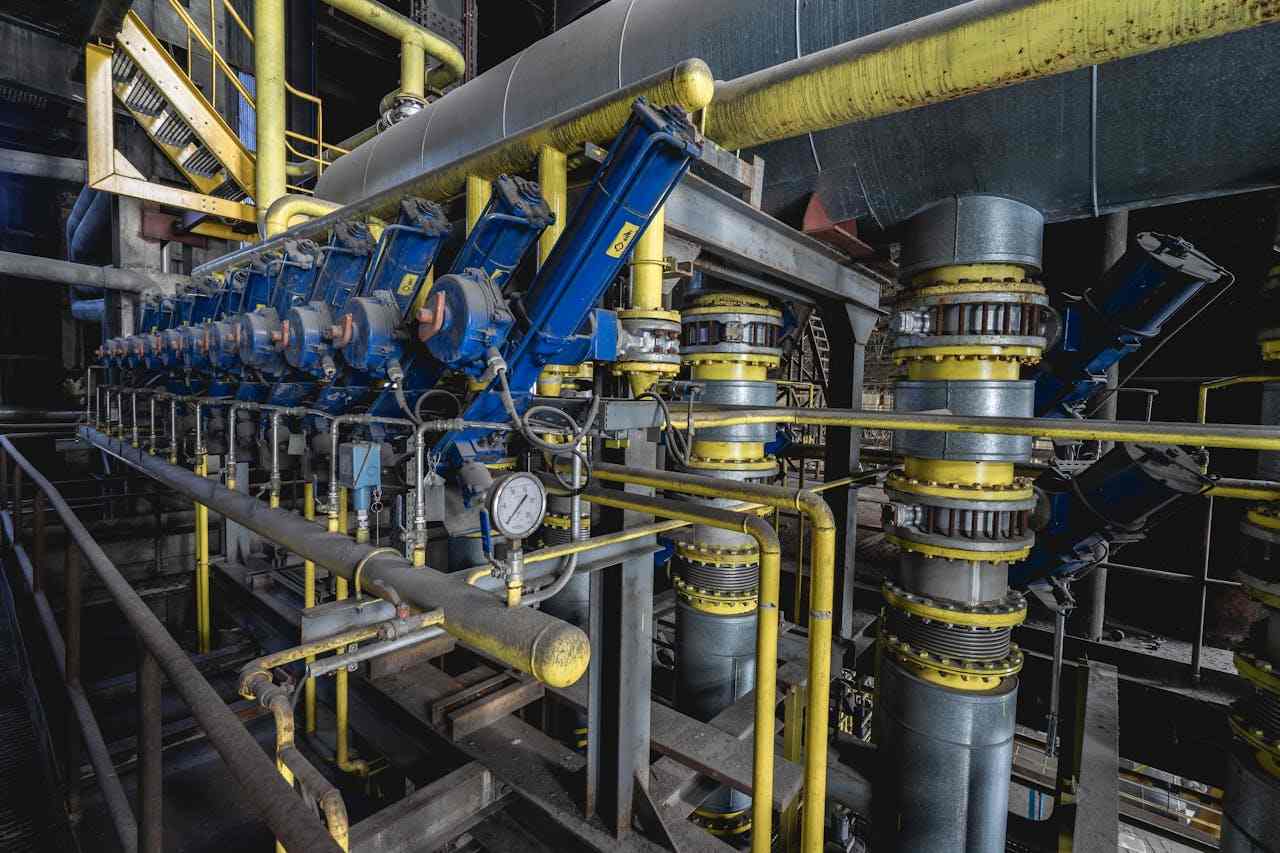
Hands on practice gives employers a closer look at how candidates may perform on the floor. During simulation based assessments, candidates can be asked to resolve malfunctions, follow logical steps, and complete tasks involving machines, tools, electrical systems, or industrial procedures. This moves the assessment beyond interview answers. It shows how people organize their thinking, apply technical expertise, stay focused, and work through a task from start to finish. For manufacturing roles, that view can be more useful than relying on traditional training methods or resume details alone.
Safety Training That Builds Confidence Before the Job Begins
Strong safety training helps people recognize risk before they are working around live equipment, active lines, or time-sensitive production demands. In a simulated environment, candidates and employees can practice high risk scenarios without putting people, equipment, or output at risk. For production employees, maintenance staff, service technicians, and electromechanical personnel, that preparation gives them a safer way to respond to malfunctions, follow procedures, and understand what can happen when a step is missed.
A safe learning environment also helps employers notice how someone handles pressure when safety and sequence are tied together. That insight can reveal concerns early, before a candidate is placed in a setting where mistakes carry real operational consequences.
Immediate Feedback Helps Identify Strengths and Gaps
Timely feedback helps candidates connect their actions to the result while the task is still fresh. In simulation training, that feedback may relate to a missed step, a delayed decision, or a stronger-than-expected response under pressure. This makes the learning process more concrete. Candidates can understand what happened, why it happened, and how to adjust next time, which supports knowledge retention without turning the assessment into a long classroom-style review. For employers and instructors, immediate feedback adds context to the score. It shows what a person achieved, how they worked through the challenge, giving companies a more useful read on readiness, coachability, and future performance for realistic scenarios.
A Safe Testing Environment Supports Better Workforce Development
A supportive testing environment gives candidates room to show their ability without the pressure of live production. In a safe environment, people can focus on the task, work through each step, and demonstrate how they think through practical challenges. In manufacturing, the value is in making testing feel closer to the floor. People are not making decisions in silence or with unlimited time. They are dealing with noise, equipment issues, interruptions, and changing priorities, so the structure has to leave room for that reality.
Testing simulations can bring those real world examples into a controlled setting, creating an immersive experience that feels connected to the workplace. Standardized and timed tests allow each person the same opportunity to engage with the task, while employers gain a fairer way to compare performance.
Cost Effectiveness Through Stronger Hiring and Training Choices
Smart testing helps employers use time, resources, and training budgets more effectively. Cost effectiveness is especially important in manufacturing, where a poor hiring decision can lead to downtime, equipment damage, lost productivity, and extra supervision.
Simulator-based testing helps employers evaluate mechanical aptitude, electrical reasoning, troubleshooting ability, and other hard skills before making a hiring decision. It gives companies a practical way to reduce hiring risk and improve workforce planning. At OptiTest, we help employers reduce downtime, increase OEE, and identify capable candidates and employees in less than two hours.
The Benefits of Simulation Continue After the Test
The benefits of simulation continue beyond the testing session and can also support hiring, onboarding, training, and longer-term workforce planning. A strong simulator-based process can show who is ready to perform, who may need support, and who has the potential to grow. In skilled trades and manufacturing, those insights carry into the work itself, from how someone handles a tool to how they notice issues, adjust under pressure, and keep work moving safely.. Through experiential learning, candidates and employees can connect the assessment to real world scenarios they may face at work. For employers facing skills shortages, these insights can be cost effective. They help companies recognize potential earlier, plan training more thoughtfully, and support employees as they learn new processes or take on more responsibility.
Evaluate Manufacturing Talent With OptiTest
At OptiTest, we bring expertise, experience, and practical support to employers hiring for production, maintenance, skilled trades, and manufacturing roles. Our in-person simulator-based assessments help companies evaluate mechanical aptitude, electrical reasoning, troubleshooting ability, and workplace readiness in a structured setting. Our testing administrators can bring simulators to your plant on your schedule, or candidates can complete assessments at our Toronto-Etobicoke office. From electrical competency testing to mechanical aptitude tests, we help employers identify talented candidates, reduce hiring risk, and support stronger performance. Contact us to learn how simulator-based testing can help your team hire with confidence.

Leave A Comment